Understanding the Importance of Tank Safety Showers
In industrial settings, safety is paramount, especially when working with hazardous materials. Tank safety showers play a vital role in providing immediate relief during chemical spills or accidents. These specialized showers ensure the rapid decontamination of personnel, significantly minimizing injury risks. Moreover, the availability of these safety installations can have profound implications on workplace compliance and overall operational safety. For businesses exploring options, Tanknotdusche für Industrie offers comprehensive insights into effective safety solutions.
What is a Tanknotdusche für Industrie?
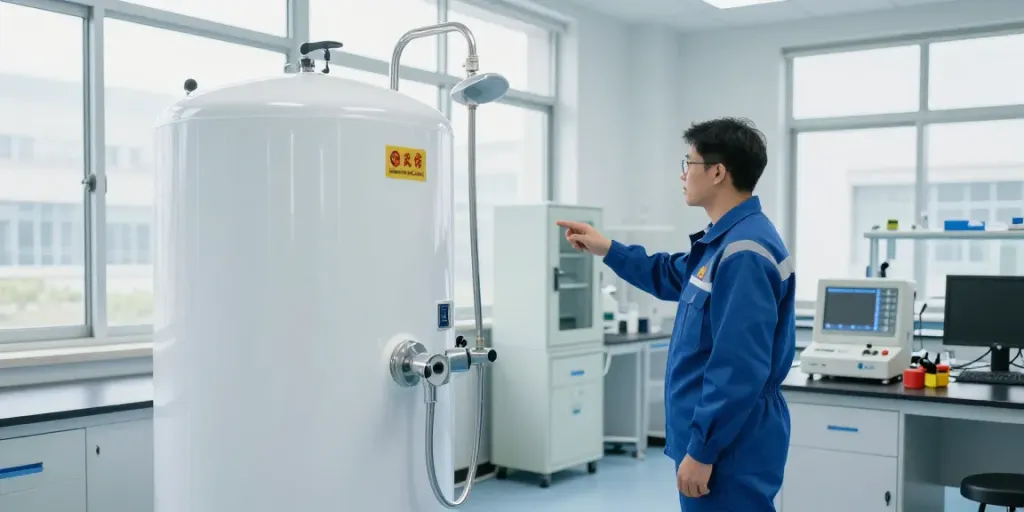
A tank safety shower, known as a Tanknotdusche für Industrie, is a specialized safety device designed for immediate decontamination of workers exposed to hazardous substances. These systems provide a steady flow of water at specified rates, enabling the quick removal of contaminants from the skin and clothing. Typically located in areas where hazardous chemicals are handled, these showers are essential for meeting safety regulations and protecting employee health.
Key Benefits of Using Tank Safety Showers
- Immediate Response: Tank safety showers facilitate immediate decontamination, minimizing potential injuries.
- Compliance with Safety Standards: They help companies adhere to health and safety regulations, ensuring a safer workplace.
- Enhanced Worker Confidence: Knowing there's effective safety equipment available boosts employee morale.
- Customizable Features: Many tank safety showers can be customized to meet specific operational needs.
Safety Regulations Governing Industrial Showers
Industrial safety showers must comply with various safety standards, such as EN 15154 and ANSI Z358.1, which outline specifications for the design, installation, and maintenance of emergency showers and eyewash stations. These regulations ensure that the emergency equipment is effective and readily accessible. Regular inspections and maintenance are mandated to verify compliance and ensure operability.
Types of Tank Safety Showers Available
Fixed vs. Mobile Tank Safety Showers
Tank safety showers can primarily be categorized into fixed and mobile units. Fixed safety showers are permanently installed in a specific location, often where hazardous materials are regularly handled. Conversely, mobile safety showers offer flexibility, allowing for temporary setups at various worksite locations. Understanding the operational environment is crucial when selecting between these two types.
Customizable Options for Specific Needs
Many manufacturers offer customizable tank safety showers to meet individual client specifications. This customization often includes the size of the tank, flow rate, and additional features such as acoustic alarms or lighting. Adapting these showers to specific operational environments, especially in extreme climates, is critical for maintaining safe water temperatures during use.
Key Features to Consider When Choosing
- Water Flow Rate: A minimum flow rate of 20 gallons per minute is recommended for effective decontamination.
- Location: Consider installation locations that ensure quick access in emergencies.
- Environmental Adaptations: In extreme conditions, specialized heating or cooling units may be necessary.
- Maintenance Needs: Choose models that simplify inspections and routine maintenance.
Installation and Maintenance Best Practices
Step-by-Step Installation Guide
Proper installation is essential for the effectiveness of tank safety showers. The installation process generally includes:
- Selecting an appropriate location with easy access and proper drainage.
- Installing the tank according to manufacturer specifications, ensuring all connections are watertight.
- Setting up the plumbing to guarantee optimal water flow and pressure.
- Testing the system to ensure compliance with safety standards before use.
Regular Maintenance for Compliance
To keep tank safety showers compliant with safety regulations, routine maintenance is crucial. This involves regular inspections, flushing the system to prevent stagnation, and checking for leaks or clogs. Documenting these inspections can provide evidence of compliance and operational readiness.
Identifying Common Issues and Solutions
Common issues with tank safety showers can include:
- Low Water Pressure: May indicate plumbing issues that need immediate attention.
- Contaminated Water Supply: Requires system flushing and potential filter replacement.
- Corrosion or Rust: Indicates the need for material upgrades or protective coatings.
Identifying and addressing these issues promptly can help maintain operational safety and compliance.
Managing Emergency Situations Effectively
Best Practices for Emergency Shower Use
In emergency situations, proper use of tank safety showers can significantly reduce injury severity. Employees should:
- Immediately activate the shower upon exposure to hazardous substances.
- Remove contaminated clothing while under the shower to maximize decontamination.
- Flush the area for at least 15 minutes, or until emergency services arrive.
Training Staff for Emergency Preparedness
Regular training for staff on the use of emergency showers is essential. Employees should be familiarized with the location of safety equipment and trained on proper decontamination procedures. Conducting emergency drills can also improve response times during actual incidents.
Evaluating Incident Response Effectiveness
After an incident, it’s crucial to evaluate the response effectiveness. This involves reviewing the sequence of actions taken, identifying any gaps in the response plan, and making necessary adjustments. Gathering feedback from employees involved can provide valuable insights into the effectiveness of training and preparedness.
Future Trends in Industrial Safety Showers
Innovations and Technology Advancements
As workplace safety equipment evolves, innovations in tank safety showers are emerging. Notable advancements include the integration of smart technology that monitors water quality and flow rates, ensuring consistent performance and compliance. Furthermore, manufacturers are exploring eco-friendly materials and energy-efficient designs.
Predictions for 2026 and Beyond
Looking ahead, the emphasis on workplace safety will likely continue to grow. Regulations may become even stricter, necessitating the adoption of more sophisticated safety systems. Companies investing in compliance will benefit from reduced liability risks and enhanced employee safety.
Case Studies of Successful Implementations
Examining successful case studies can provide valuable insights into best practices for tank safety showers. For example, a leading chemical manufacturing company implemented a series of innovative tank safety showers across its facilities. By customizing units and providing thorough training, they reduced incident response times and improved overall workplace safety.