Introduction to IPTV Server Technology
In the age of digital streaming, traditional cable television is steadily being replaced by Internet Protocol Television (IPTV), which provides viewers with an array of channels and on-demand content. As demand for high-quality video content continues to grow, understanding IPTV server technology becomes essential for both consumers and service providers. IPTV servers play a crucial role in delivering this content, ensuring seamless streaming experiences for users. From live sports broadcasts to the latest movies and series, IPTV has transformed the way we consume media. For those considering a switch to IPTV, it is important to explore how an IPTV Server can enhance your viewing experience.
What is an IPTV Server?
An IPTV server is a system that facilitates the delivery of television programming and multimedia content over the Internet. Unlike traditional broadcasting methods that utilize satellite or cable, IPTV servers stream content directly to devices using internet protocols. This technology offers users the flexibility to watch their desired shows, movies, and live sports events on various devices, including smart TVs, tablets, and smartphones. Each IPTV server is configured to handle multiple streams simultaneously, providing an efficient means of distributing video content to a vast audience.
The Role of IPTV Servers in Streaming
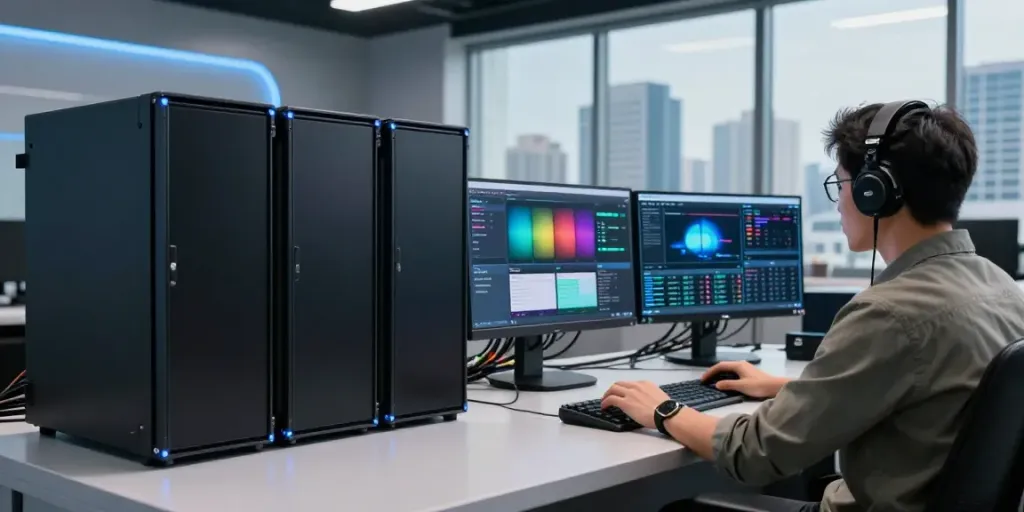
IPTV servers serve as the backbone of any IPTV service. They ingest, encode, and stream content to viewers, making it possible to access thousands of channels and on-demand titles. The critical functions of an IPTV server include:
- Content Ingestion: Captures live broadcasts and on-demand media from various sources.
- Encoding: Converts raw video signals into a digital format suitable for streaming.
- Storage: Archives content for on-demand viewing, allowing users to watch their favorite shows any time they want.
- Streaming: Distributes the content to users over the internet, ensuring minimal buffering and high-quality playback.
- Analytics: Monitors viewer behavior and server performance, enabling service providers to refine their offerings.
Comparing IPTV Servers for Optimal Performance
When selecting an IPTV server, performance is paramount. Factors to consider include bandwidth capacity, server uptime, and the ability to handle multiple streams. A high-quality IPTV server should provide:
- Consistent high-definition or 4K streaming.
- Low latency and minimal buffering.
- Support for various devices and operating systems.
- Robust security measures to protect content from piracy.
- Scalability options to accommodate an increasing number of users.
Key Features of IPTV Servers
Video Quality and Streaming Speed
One of the most significant advantages of IPTV servers is their ability to deliver high-quality video content. With advancements in video encoding technologies, many IPTV providers can now offer streams in Full HD and even 4K resolution. Coupled with high-speed internet connections, viewers can enjoy smooth streaming experiences without interruptions. Ensuring that your IPTV server can provide adaptive streaming based on the user’s internet speed is essential for maintaining video quality.
User Interface and Experience
The user interface (UI) of an IPTV service plays a significant role in overall user satisfaction. A well-designed UI allows users to easily navigate through available content, access live channels, and utilize on-demand services. Key components of a user-friendly interface include:
- Intuitive navigation menus.
- Personalized recommendations based on viewing history.
- Search functionality to quickly find specific shows or movies.
- Easy access to settings for managing subscriptions and preferences.
Support for Multiple Devices and Formats
Modern IPTV servers must be compatible with various devices, including smart TVs, mobile devices, and desktop computers. This flexibility allows users to enjoy content wherever they are. Furthermore, support for multiple video formats and adaptive bitrates ensures that content can be streamed efficiently, regardless of the device being used. Providers should aim to offer cross-platform compatibility to attract a wider audience.
Choosing the Right IPTV Server
Factors to Consider When Selecting a Server
Choosing the right IPTV server is crucial for a satisfying streaming experience. Key factors to consider include:
- Content Variety: Look for providers that offer a broad range of channels, including local and international content.
- Reliability: Ensure the server has a reputation for consistent uptime and minimal service interruptions.
- Customer Support: Opt for providers who offer robust customer support via multiple channels, including live chat and email.
- Pricing Models: Compare subscription plans to find an option that aligns with your budget while providing the necessary features.
Budgeting for IPTV Server Options
Budgeting for an IPTV server entails evaluating both upfront costs and ongoing subscription fees. While some services may appear inexpensive initially, consider the long-term value based on the quality of content and service provided. Look for promotional deals or bundle offers that can enhance your viewing experience without being a financial burden.
Top IPTV Servers of 2026: A Comparison
As the IPTV market evolves in 2026, several providers stand out for their innovative features and quality service. Here’s a comparison of some top contenders:
- UpIPTV: Known for its extensive channel lineup and 4K streaming capabilities.
- IPTVX: Focuses on sports content, making it a go-to for sports enthusiasts.
- Streamline IPTV: Offers competitive pricing and a large library of movies and series.
- Global IPTV: Features international channels, catering to diverse audiences.
Common Challenges with IPTV Servers
Addressing Buffering Issues and Latency
Buffering can significantly detract from the viewing experience. To address these challenges, it’s crucial to ensure that your IPTV server is equipped with sufficient bandwidth to manage peak usage times. Implementing content delivery networks (CDNs) can also help mitigate latency by distributing content closer to the user’s location.
Ensuring Content Security and Licensing
Content security is a concern that many IPTV providers face. Ensuring that all streamed content is properly licensed protects both the provider and the consumer. Using encryption and secure streaming protocols can safeguard content against unauthorized access and piracy.
Troubleshooting Frequent IPTV Server Problems
IPTV users may occasionally encounter issues such as service interruptions or login problems. Navigating these challenges involves having a proactive support team in place to address issues quickly. Comprehensive FAQs and troubleshooting guides can empower users to resolve minor issues independently, enhancing overall satisfaction.
Future Trends in IPTV Server Development
Emerging Technologies Impacting IPTV
As technology advances, IPTV servers will benefit from innovations such as artificial intelligence (AI) and machine learning. These technologies can help providers analyze user behavior, leading to more personalized content recommendations and improved user experiences. Furthermore, the integration of virtual reality (VR) and augmented reality (AR) into IPTV services may redefine how viewers interact with content.
Predictions for IPTV Servers in 2026 and Beyond
Looking ahead, the IPTV landscape is likely to be shaped by increased competition among providers as they strive to offer unique features and high-quality streaming at competitive prices. Additionally, with growing environmental awareness, energy-efficient servers may become a priority for many providers to reduce their carbon footprint.
How User Demands Shape IPTV Server Features
User expectations continue to evolve, driving IPTV providers to enhance their offerings. For more information, IPTV Server offers valuable insights. Features such as multi-device support, user-friendly interfaces, and extensive content libraries are no longer optional; they are necessities. Monitoring user feedback will be crucial in shaping future developments in IPTV technology.